Nashua schools, NCC to study math remediation
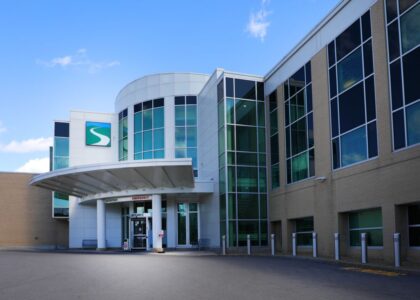
NASHUA – For years, data has shown that a large percentage of Nashua graduates enter remedial math courses at the city’s community college.
But is that an accurate picture?
A team of district and Nashua Community College personnel are hoping to find out, studying data this summer to determine how widespread remediation is.
“We’re basically trying to prove or disprove some of the perceptions that exist about remediation,” said Assistant
Superintendent Jen Seusing.
The research study has been in the works for about a year and is finally coming to fruition this summer. Seusing said she and district guidance director Maureen O’Dea met with officials at NCC in May, and will meet again throughout the summer to review data from the school system and college.
What they’ll find, Seusing said, is up in the air, but they’ll be looking for patterns among those students taking remediation math at NCC.
The study will review how many years were between the students’ high school graduations and remediation at the college, the types and levels of math courses they took in high school, grades received in those courses, and when the students stopped taking math courses in high school, among other factors.
Improving math instruction has been a focus of the district for some time, and the study is just one more effort to do so, Seusing said.
Nearly 80 percent of Nashua high school graduates took at least one basic catch-up course in math or reading during their freshman year at NCC in 2011. Nationwide, more than half of the nation’s 3 million new higher education students each year require some remediation, and those students are less likely to earn a degree.
Data like this has led to local and national bills hoping to fix the problem. A bill was sponsored in the New Hampshire House Education Committee this year that would require colleges and universities to keep track of specific data related to remedial education, while other proposed legislation would have required students to take four years of high school math to graduate.
But others have said the data on remediation may not be quite what it seems.
Separate studies from Teachers College Columbia University and the Harvard Graduate School of Education came to the same conclusion: the way colleges are using standardized placement tests, such as the College Board’s Accuplacer and others, can misidentify students and place them in remedial courses unnecessarily.
Locally, educators have said it’s important to remember that many community college students are adults, who may not have taken a high school math course in years.
How much these and other factors play into the local data, Seusing said, is one thing the research study hopes to find.
The findings of the study, which Seusing said she hopes to complete by the end of the summer, will be shared with the Board of Education and the public.
Depending on what the study finds, it may be used to inform instruction or math requirements.
“We definitely want to review historical data, and go back as far as both our databases are able to send us,” Seusing said. “We’re looking for patterns and trends … If we determine that the high majority of these students stop taking math at a certain point in their high school career, we want to make an adjustment. If they’re all struggling in one particular area, that’s something we can use to inform instruction.”
Seusing said the research could begin to inform instruction and practices at the city’s high schools as soon as this school year.
Danielle Curtis can be reached at 594-6557 or dcurtis@nashuatelegraph.com. Also, follow Curtis on Twitter (@Telegraph_DC).