Healthy eyes: Regular exams, good diet, wear eye protection
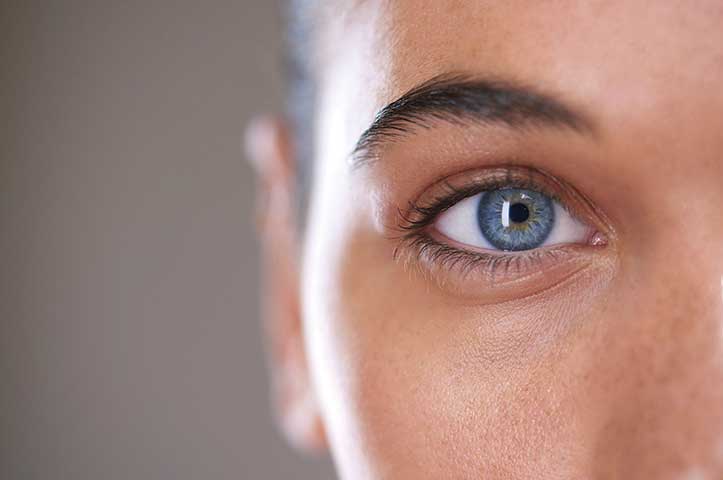
Eyesight is easily taken for granted. But when something goes awry, the value of strong eyesight is crystal clear. Once diminished sight occurs, it is very difficult to get it back without serious intervention – if at all. That is why it is so vital to keep eyes healthy and functioning at their peak.
Eye care involves regular vision checkups, but also includes other components. The following tips can keep most people on the path to healthy eyes.
• Eat for healthy vision. Various vitamins and minerals are needed for healthy eyes, especially those in leafy greens like kale, spinach and collard greens. Fatty fish like tuna and salmon also have been shown to help the eyes, according to the National Eye Institute. In addition, healthy eating can help people lose weight. Being overweight or obese increases the risk of diabetes, which contributes to vision problems.
• Say “yes” to a dilated eye exam. Many eye diseases have no early symptoms, so the only way to check for eye disease early is through a comprehensive dilated exam. Getting the eyes dilated is painless and fast. Specialized eye drops are used to dilate the eyes. Dilating the pupil enables the eye doctor to see inside of the eye to check for diabetic retinopathy, glaucoma, age-related macular degeneration, and retinal problems. Dilation will last for a few hours, depending on the patient. Although uncomfortable for a little while (dilated pupils let in more light, causing squinting), it’s well worth it to catch diseases early.
• Practice frequent handwashing. Washing hands regularly helps to keep bacteria, dust and dirt out of the eyes should you touch your face. In addition to washing hands, avoid rubbing your eyes.
• Wear UV protection. Arizona Retinal Specialists indicates that exposure to ultraviolet radiation increases risk for age-related macular degeneration and may cause sunburn on the corneas or photokeratitis. UV-protected eyeglasses, sunglasses and contact lenses can help, as will using shade hats or visors.
• Wear eye protection. When participating in sports, using chemicals during science class or operating equipment like a leaf blower, wear the right protection to keep eyes safe.
• Give your eyes a rest. Eye doctors know that people spend a lot of time staring at screens during the day. Providing a rest is necessary. Follow the 20-20-20 rule, which translates to every 20 minutes, look about 20 feet away for 20 seconds.
Protecting eyes is a simple yet often overlooked component of maintaining overall health. Taking measures to keep the eyes safe is both easy and effective.