
Planting seeds for lifelong learning
We learned this week that some of the tomatoes grown in the Elm Street Middle School greenhouse came from seeds that not so long ago were orbiting nearly 250 miles up in the International Space Station.
If that’s not enough to get students interested in science or gardening, we don’t know what will.
The project is part of a collaborative effort known as "Tomatosphere," which launched seeds to the International Space Station, on board SpaceX’s Dragon, in April 2015. The seeds returned to Earth after spending five weeks in orbit.
The Nashua School District was lucky enough to get some of the seeds.
This opportunity for the school district’s pupils to take advantage of an out-of-this-world resource could teach students about real-world applications of science – specifically technology, botany and how NASA will sustain astronauts in long-term space missions.
Theoretically, the research conducted by programs such as this one will inform how NASA and other space programs bring humanity to Mars and worlds beyond, since space habitation will depend on a steady food source.
But just as plants needs sun and water to thrive, space programs depend on public interest and a continued stream of brilliant young minds to sustain their missions – to boldly grow where none have grown before.
And it could also provide NASA with a little information about space-gardening.
"We didn’t see much of a difference from the tomatoes from space, and the ones not in space," Denise Rock, a science teacher at Elm Street told The Telegraph. "So, that will be good for NASA to know."
Having the seeds in the Nashua district gives students here the opportunity to learn something interesting, but also experience perhaps the rarest of all fruits.
The world is now in the palm of every hand, given the vastness of the internet, but how many people, regardless of age, can say they took a bite out of something that started its journey in a space station before reaching a plate in New Hampshire?
Who needs salt and pepper when your science projects are seasoned with stardust?
The seeds are the centerpiece for the Elm Street school’s greenhouse, which has been attracting more attention outside of its space tomatoes.
"Our teachers are all excited about next year," Rock said.
In Nashua, these seeds could grow into more than just tomatoes; they could be sown into the passions of students and inspire them to find their own special projects to bring back to the city.
Editorials
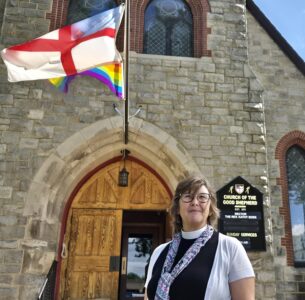
Church members speak out on Aug. 10 theft

Executive Council should reaffirm Commissioner Taylor Caswell
Remember why you are free
It’s the end of a school year; perhaps it is the opening weekend for swimming pools; it’s a three-day break — ...