
DNA evidence worth a look
After nearly two decades, convicted murderer Michael Monroe wants another day in court. In the name of justice, he should get his wish.
Attorneys from the Innocence Project, a New York-based legal clinic dedicated to freeing men and women it believes were wrongly convicted, have petitioned a New Hampshire court to present new evidence relating to Monroe’s 18-year-old case.
The Nashua resident was convicted in 1995 of killing his mother-in-law, Theresa Levesque, nearly two years earlier. Prosecutors said at the time Monroe beat and stabbed Levesque to death after she refused to give him more money for the restaurant he ran with his wife.
Court documents filed last month in Hillsborough County Superior Court do not reveal what new evidence the Innocence Project attorneys hope to present. But the clinic, connected with Yeshiva University’s Cardozo law school, only takes cases in which DNA evidence can prove a defendant’s innocence.
Given the emergence of DNA as an increasingly vital factor in criminal cases in the years since Monroe’s conviction, we hope his case gets another look so that society can be assured truth is served.
Since 2000, 239 individuals have been exonerated of murder, rape, kidnapping, assault and other charges based on DNA evidence, according to Innocence Project records. Eighteen people have been freed from death row and thousands of suspects have been proven wrongly accused.
“DNA testing has been a major factor in changing the criminal justice system. It has provided scientific proof that our system convicts and sentences innocent people – and that wrongful convictions are not isolated or rare events,” officials wrote on the project website.
Monroe has long argued that he is one of the innocents. Eighteen months after Levesque’s murder, Monroe confessed to the crime. Following his conviction, he appealed the case all the way to the New Hampshire Supreme Court, arguing that investigators, including current Nashua Police Chief John Seusing, coerced his confession through threats of violence and extortion, among other improper tactics.
The Supreme Court upheld Monroe’s conviction, and seven years later, a U.S. District Court judge sided against him, as well, in a suit against the state prison system.
Monroe now has served nearly half of his 40-year sentence. Still, all these years later, his defense attorneys continue to question the case.
Following the conviction, Barbara Keshen, who represented Monroe at the time as a public defender, received permission to exhume Levesque’s body in search of more evidence. The casket hadn’t been sealed well, however, and the body was too badly decomposed to conduct further testing.
“Michael has haunted me,” Keshen, who now works as legal council for the N.H. Civil Liberties Union, told the New Hampshire Union Leader newspaper earlier this month. “None of the details of the confession matched the facts surrounding the crime. … It never made sense.”
If Monroe is to get another day in court, it won’t happen immediately. Superior Court judge Diane Nicolosi denied the Innocence Project’s motion, at least initially, because the New York-based attorneys had not properly applied to represent clients in New Hampshire. The judge issued her ruling without prejudice, however, meaning the motion can be re-filed.
The Innocence Project attorneys should do so, and the court should revisit the case. On one hand, this could answer some unanswered questions and re-affirm Monroe’s conviction. On the other, it could help free an innocent man. Either way, justice is worth another look.
Editorials
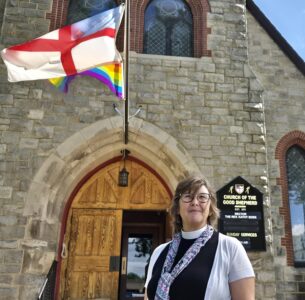
Church members speak out on Aug. 10 theft

Executive Council should reaffirm Commissioner Taylor Caswell
Remember why you are free
It’s the end of a school year; perhaps it is the opening weekend for swimming pools; it’s a three-day break — ...