Thanksgiving: A time to give thanks — and to exercise extra caution preparing the feast
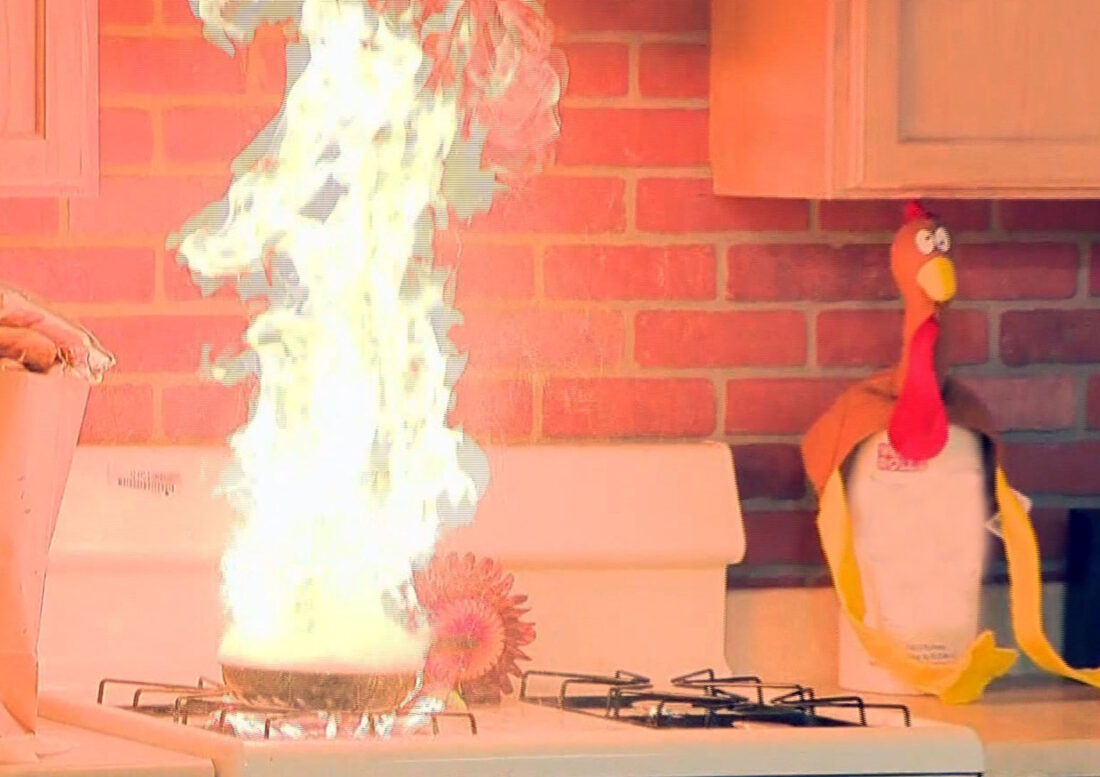
Home cooking is the number one cause of house fires — and the second-leading cause of civilian fire deaths and property damage — so it stands to reason that the numbers would spike dramatically on the holiday most frequently associated with cooking, and eating, lots of different kinds of foods.
While food is often the centerpiece of many holidays — and special personal holidays like weddings and birthdays — none come close to Thanksgiving when it comes to fires sparked by home cooking, according to the National Fire Protection Association.
Data shows that Thanksgiving Day represents the leading day of the entire year for home cooking fires: Between three and four times as many cooking fires occur on Thanksgiving Day as a typical day of the year.
The NFPA estimates that in 2019, the most recent data available, some 1,400 home cooking fires occurred on Thanksgiving Day across the United States. That figure is between three and four times as many cooking fires over the daily average, a 228 percent increase.
Things in the average kitchen do indeed become a whole lot busier on Thanksgiving, NFPA vice president of outreach and advocacy Lorraine Carli said. And for many hosts and hostesses things start ramping up as early as Tuesday or Wednesday.
“Thanksgiving is a hectic holiday, with multiple dishes cooking and baking at the same time, along with lots of guests, entertaining, and other distractions in the home that can make it easy to lose sight of what’s on the stove or in the oven,” Carli said.
“Unattended cooking is the leading cause of home cooking fires, so we strongly encourage people to keep a close eye on what they’re cooking and to minimize the likelihood of getting distracted.”
The upside when it comes to cooking fires is that the “vast majority” of them are preventable, Carli said, adding that by taking some simple steps and precautions, the cooks in the family can minimize the risk of a cooking fire breaking out.
High on that list of recommendations is staying away from turkey fryers. “The NFPA strongly discourages the use of turkey fryers that use cooking oil, which can cause devastating burns.
“For a safe alternative, NFPA recommends purchasing a fried turkey from a grocery store or restaurant or buying a fryer that does not use oil.”
Other safety tips and recommendations for people who will be cooking on Thanksgiving follow.
* Never leave the kitchen while cooking on the stovetop. Some types of cooking, especially those that involve frying or sautéing with oil, need continuous attention
* When cooking a turkey, remain at home and check it regularly
* Make use of timers to keep track of cooking times, particularly for foods that require longer cook times
* Keep things that can catch fire like oven mitts, wooden utensils, food wrappers, and towels at least three feet away from the cooking area
* Avoid long sleeves and hanging fabrics that can come in contact with a heat source
* Always cook with a lid beside your pan. If the pan catches fire, slide the lid over the pan and turn off the burner. Do not remove the cover because the fire could start again. Let the pan cool for a long time* Never throw water or use a fire extinguisher on a cooking fire
* For an oven fire, turn off the heat and keep the door closed. Only open the door once you’re confident the fire is completely out, standing to the side as you do
* If you have any doubts or concerns, contact your local fire department for assistance
* Keep children at least three feet away from the stove. Kids should also stay away from hot foods and liquids, as steam or splash from these items could cause severe burns.
The NFPA, founded in 1896 and based in Quincy, Massachusetts, is an international nonprofit organization devoted to eliminating death, injury, property and economic loss due to fire, electrical and related hazards.
For more information on avoiding cooking fires and fire safety in general, go to www.nfpa.org.
–Material submitted by National Fire Protection Association
Dean Shalhoup may be reached at 594-1256 or dshalhoup@nashuatelegraph.com.