Nashua Chamber Orchestra prepares for Nov. 5-6 opening
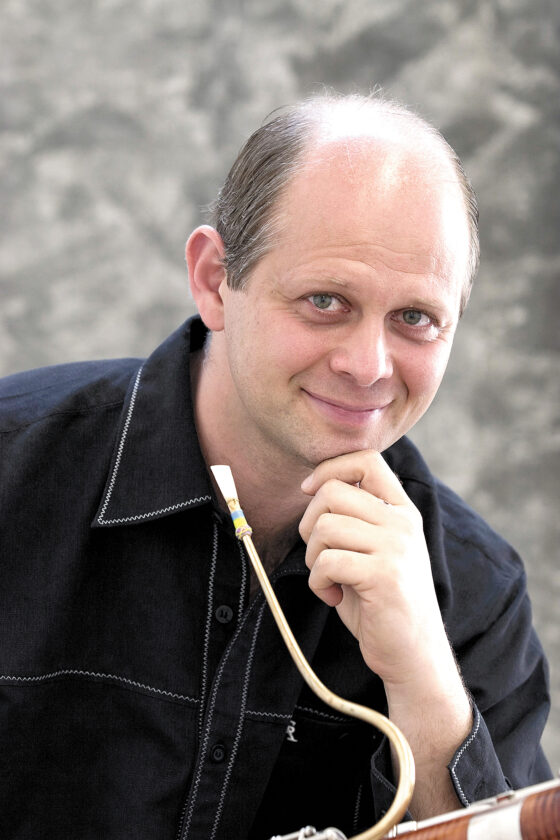
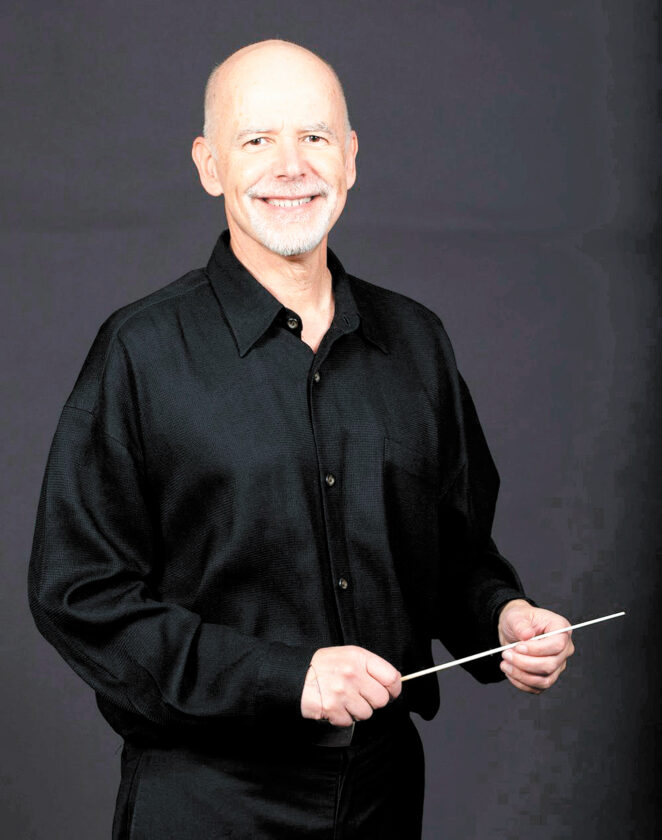
The Nashua Chamber Orchestra with music director David Feltner opens its 38th season on Nov. 5 and 6, with works by Chevalier de Saint George, Sibelius, Weber and Beethoven. Bassoon soloist Adrian Jujatu will perform the Weber Bassoon Concerto.
Performances are 7:30 p.m. Nov. 5 at Nashua Community College, Judd Gregg Hall, 505 Amherst St. and 3 p.m. Nov. 6 at Milford Town Hall, 1 Union Square, on the Milford Oval.
Please read the NCO COVID-19 policy on the website, www.nco-music.org before purchasing tickets.
Tickets may be purchased at the door, or online at www.nco-music.org. Prices are $20 for adults; $15 for seniors and college students and students under 18 may enter for free. Online only, buy two tickets, get up to two more at half price.
• Joseph Bologne, Chevalier de Saint-Georges, was a scintillating, supremely gifted individual who led a colorful, illustrious life, barely hindered by the entrenched societal racist attitudes of his time. He is known as the Black Mozart. His Symphony No. 1, composed in the late 1770s, bears all the hallmarks of formal classical style reminiscent of Mozart and Haydn.
• Jean Sibelius (1865-1957) is Finland’s most well known and beloved composer. Sibelius created a unique musical idiom for Finland, helping Finns sustain their national identity during their struggle for independence from Russia. His short sketch, Finlandia is his most famous work. Jean Sibe l ius’ Impromptu for Strings, Opus 5 (1893), is a haunting, short vignette.
• Carl Maria von Weber (1786-1826), a German composer, conductor, pianist and critic, was one of the first prominent Romantic composers. The overtures of his three operas, Der Freischutz, Euryanthe, and Oberon, are standard components of the orchestral repertoire. Carl Maria von Weber’s Andante and Hungarian Rondo showcases the bassoon as a solo instrument.
• Bassoon soloist Adrian Jojatu has been performing and winning prizes since attending high school in his native Romania. He has performed more than 20 concertos with orchestras in Europe, Latin America and Boston. He is the founder of the Mozarteum Quartet.
• Ludwig van Beethoven, the towering musical giant of universal fame, was born into a musical family in Bonn, Germany, Dec. 16, 1770. Beethoven’s musical genius was driven by his powerful personality and indomitable will, characteristics that are manifest in his music. Beethoven was influenced by the new spirit of humanism, the ardor of nationalism, and the ideals of the French Revolution. In the face of his encroaching deafness, Beethoven’s sense of purpose compelled him to fulfill his creative genius. Transcending the bounds of Classical convention with his deep emotional expression, Beethoven the innovator ushered in the Romantic period. Beethoven’s scintillating Symphony No. 8 is a vibrant gem sandwiched between the compelling force of the Seventh and the grandeur of the monumental Ninth.
Tchaikovsky called the last movement of the Eighth “One of the greatest symphonic masterpieces of Beethoven.”