Local mom finds hope and solace with autism blog
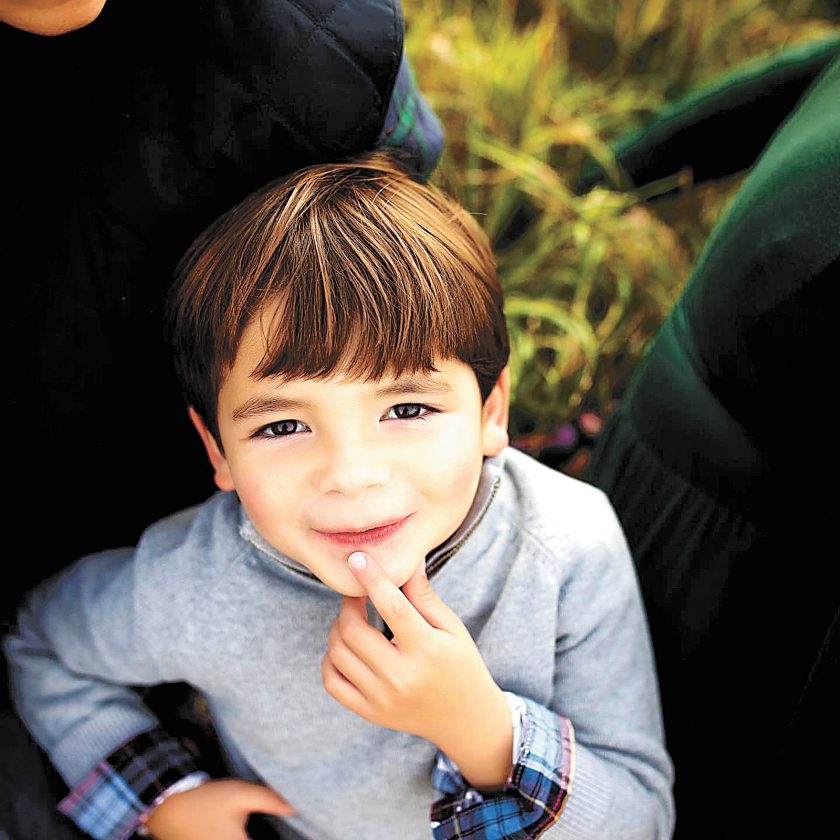
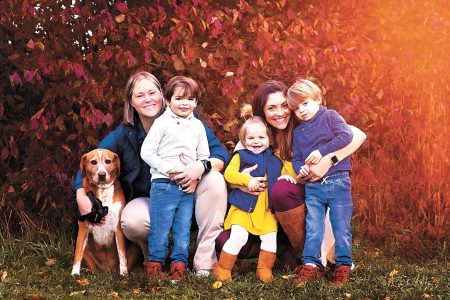
Young Jack has been diagnosed with autism, as has his twin brother, Luca. The boys are six years-old. (Photos by Becky Abrahms Photography)
LONDONDERRY – For Christina Young and her wife, Stephanie, raising three young children, including six-year-old twin boys with autism, can be a lonely and frustrating battle.
Christina began blogging in January of 2020. At the time, she had left a high-profile job doing fundraising, and while she had always been a writer (and photographer), finding the time to write was a problem. It was Steph who recommended that she blog. Steph owns a successful painting business.
“Just put it out there,” Christina remembered hearing. “I wanted to write a self-help book on what it’s like to get that diagnosis and we didn’t see anyone putting it out there explaining how hard it was.”
The couple, who have been married for a decade, initially didn’t know much about autism, the signals or the treatments.
“We had no idea that there were any delays or that we were missing anything,” she said. “We were surviving twins. It was year one and we were sleep deprived. We just thought the typical signs of say, speech delay, was just part of their development. They were twins and boys and they had their own language. So, we missed it completely.”
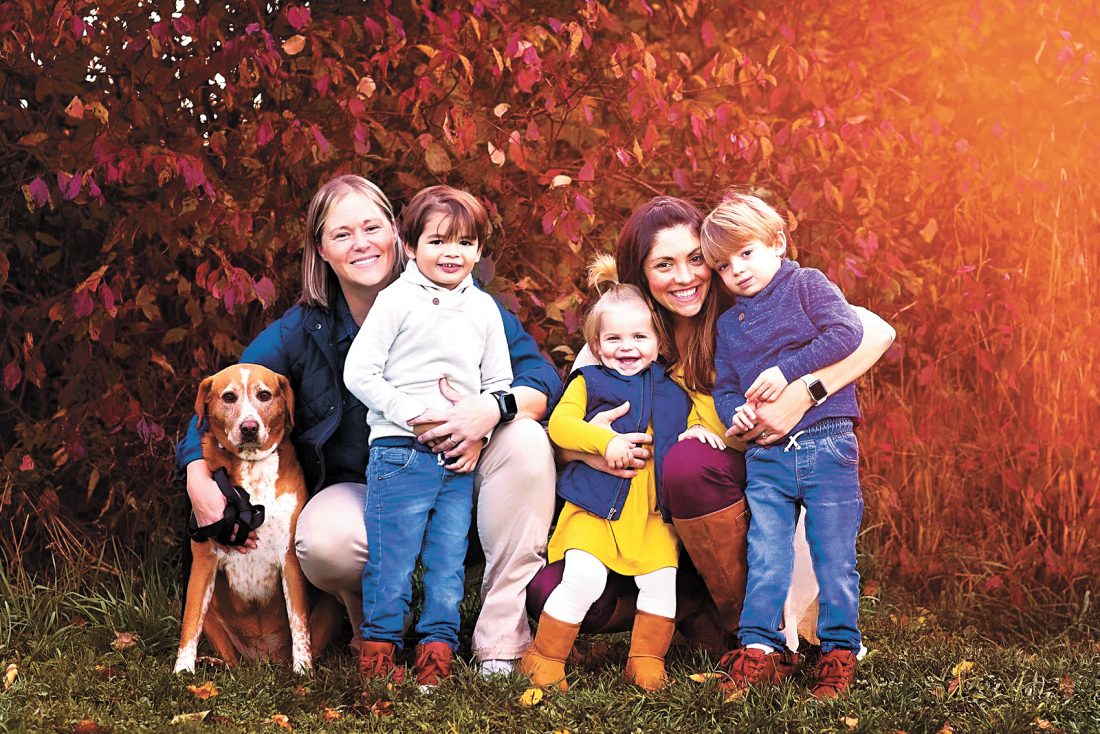
Christina said, just after the boys turned a year old, friends and family members said that they seemed behind, and she and Stephanie got a little defensive – a normal knee-jerk reaction.
“We were like, ‘How dare they judge us?'” she said. “But when we took them in for the year-old appointment and the doctor has you fill out all these forms. I couldn’t get past page one.”
The family pediatrician recommended that they have the boys looked at, observing patterns and significant delays with the twins.
Christina thought it was just a speech delay, but then the boys were fully evaluated in all five areas that pediatricians use as markers. They are: great distress/difficulty changing focus or action; marked deficits in verbal and nonverbal social communications skills; social impairments apparent even with supports in place; limited initiation of social interactions; and reduced or abnormal responses to social overtures from others.
The couple worked with early intervention services, and at age two-and-a-half, the Children Developmental Clinic at Amoskeag Health in Manchester did a complete evaluation of the twins and the couple received a diagnosis.
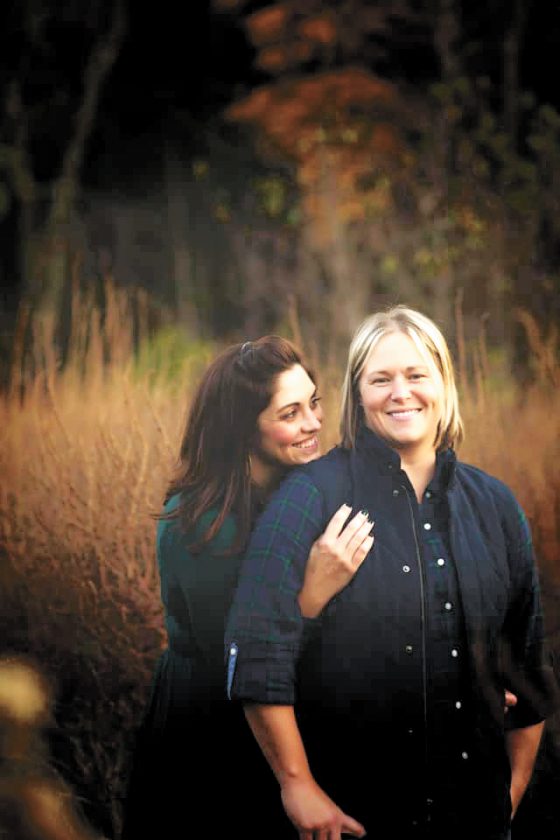
Christina Young and her wife Stephanie have been married for a decade. (Photo by Becky Abrahms Photography)
“Each of the boys was evaluated separately,” Christina said. “When the first diagnosis happened, we were kind of in shock and disbelief. Luca, who is Baby B, has far greater trouble with speech and whom we learned later that he was pretty much deaf in one ear, so he had tubes put in. But he still has trouble hearing dictation.”
Luca can hear tones and he often communicates through song. Christina said when he was diagnosed, he was lining up his toys, for example. But she added that she and Steph didn’t know what autism even looked like.
“When they asked if he lined up his toys, we didn’t think that was a big deal,” Christina said. “We just thought he was being creative. But when they asked if he ran around in circles or stimming, or if he explored something, did he do it around the perimeter? Those are common signs of someone on the spectrum.”
Stimming, as it’s known, is repetitive or unusual movements or noises. Stimming seems to help some autistic children and teenagers manage emotions and cope with overwhelming situations.
Christina said that although the boys are twins, they are complete opposites, from the way they look to how they behave. Where Luca was quiet and would play by himself for hours at a time, Jack, Baby A, was very clingy and needed the moms’ attention. He was dramatic and could get very upset very easily.
“For Jack, the way he self-regulates is through showing emotion,” she said. “He has very big feelings that he cannot control, where Luca can’t control how his body physically regulates.”
The couple followed doctors’ recommendations and had the twins further evaluated and treated. Christina said they worked with a team of six evaluators at the Moore Center. The twins were assigned case workers, who were then to do home visits and help them “catch up.”
The result of everything was autism, “without doubt,” Christina relayed.
“We didn’t know what it meant,” she said. “We just didn’t know.”
As for blogging, Christina said there is no book that exists that can explain and tell a parent what to expect from a child. But they wanted to offer advice on their experience and provide strategies for coping.
“I did write a book but I couldn’t get anyone to publish it,” she said. “I think I sent out 30 submissions and got very polite letters back saying ‘no’.”
Putting it out there with a blog resonated and was also cathartic for Christina. What was great about the blog, she said, was that she didn’t have to have a theme or have any structure. She wrote about anything that she and Steph were experiencing.
“I shared how lonely it can be as a parent to have a child who has autism,” Christina said. “I talked about how much you have to sacrifice and all of the life changes. All of a sudden, all of these friends that we hadn’t told reacted. We didn’t tell a lot of people or family. I don’t know if it was because we were embarrassed or scared.”
As a gay couple, Christina said, “Here we were, two gay kids who never felt normal growing up. And now we had two kids that will never be normal. The reliving of it was hard.”
Their friends responded in quite positive ways, asking what they could do to help.
“That really humanized it,” Christina said. “Because those that know and love our kids didn’t think anything was wrong because one of the biggest misconceptions of autism is nothing is wrong with your child. They just operate differently because they’re wired differently.”
By sharing, autism wasn’t just a scary diagnosis; it was an actual and tangible thing that could be helpful to others by discussing it in a blog – even while the pandemic was happening.
“COVID was awful,” Christina said. “We couldn’t find a nanny during that time, to save our lives. COVID was hard because the biggest thing that people know about autism is that routine is key. When you take a kid on the spectrum who succeeds well by understanding what’s expected of them through a routine and then remove the routine. It was really hard.”
Today, Christina and Steph are proud and happy and still sometimes challenged. Their young daughter Alex is three and does not have autism.
“I haven’t blogged in a couple of weeks,” Christina admitted. “I need to. I never put anything out there too vulnerable and sometimes I will write something and then take it down. But it has been 100 percent cathartic for us and for people who have read it. I’m glad that it’s helped us all.”
To read Christina’s blog, “Twinning with Autism,” visit twinningwithautism.com or follow her on Instagram.
-

- Young Jack has been diagnosed with autism, as has his twin brother, Luca. The boys are six years-old. (Photos by Becky Abrahms Photography)
-
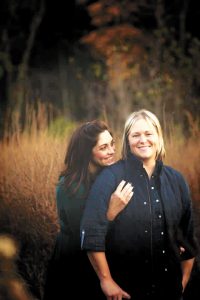
- Christina Young and her wife Stephanie have been married for a decade. (Photo by Becky Abrahms Photography)