Kuster co-sponsors clean slate bill

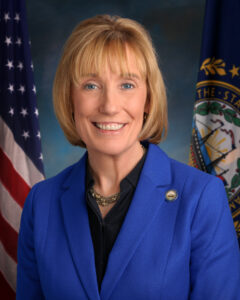
U.S. Rep Annie Kuster
U.S. Rep. Annie Kuster co-sponsored a historic bipartisan bill that would automatically seal the records of non-violent federal crimes for individuals who have maintained a clean record for an extended period.
Rep. Kuster joins a bipartisan coalition of co-sponsors supporting the bill – known as the Clean Slate Act – including Reps. Lisa Blunt Rochester (D-DE), Nancy Mace (R-NC), David Trone (D-MD), Byron Donalds (R-FL), Kelly Armstrong (R-ND), Nikema Williams (D-GA), Guy Reschenthaler (R-PA), Scott Peters (D-CA), and Burgess Owens (R-UT).
In addition to strong bipartisan support within Congress, The Clean Slate Act is supported by law enforcement, business groups and criminal justice groups alike. JPMorgan Chase, the Business Roundtable, the Responsible Business Initiative, the Center for American Progress, the Faith and Freedom Coalition, the Brennan Center, and Right on Crime have all expressed support for the measure, which follows the lead of ten states that have already passed automated record sealing laws of their own.
“Sealing records for non-violent offenses opens employment, education and housing opportunities for individuals who have earned a true second chance,”said Inimai Chettiar, Deputy Director at Justice Action Network. “The Clean Slate Act will make communities safer, help rebuild our economy, and provide a meaningful second chance at success to people who’ve paid their debt to society. We commend Representative Kuster for standing with this strong bipartisan group of colleagues to open opportunities for more Americans.”
H.R. 2390 would provide automated record sealing for federal arrest records of people who were acquitted of their charges, as well as for most people convicted of low-level, non-violent drug offenses who have completed their sentences. The bill would not apply to people convicted of violent crimes.
The introduction of this bill also comes after similar Clean Slate Laws have been passed in ten states since 2018, including Pennsylvania, Oklahoma, Colorado, and Utah. Additionally, eleven other states have active legislation this year to automatically expunge records of non-violent offenses at the local level after a defined period.
Convictions often trigger indefinite consequences that can prove impossible to overcome, even after a person has done their time and remained crime free. The Clean Slate Act is proven to safely reduce reentry barriers for housing and employment, two critical factors in reducing recidivism rates. Occupational licensing exclusions prevent returning citizens from pursuing hundreds of professions, limit access to education loans and college admissions, and can prevent a person from finding a place to call home.