Revisiting New England’s first big-time air show
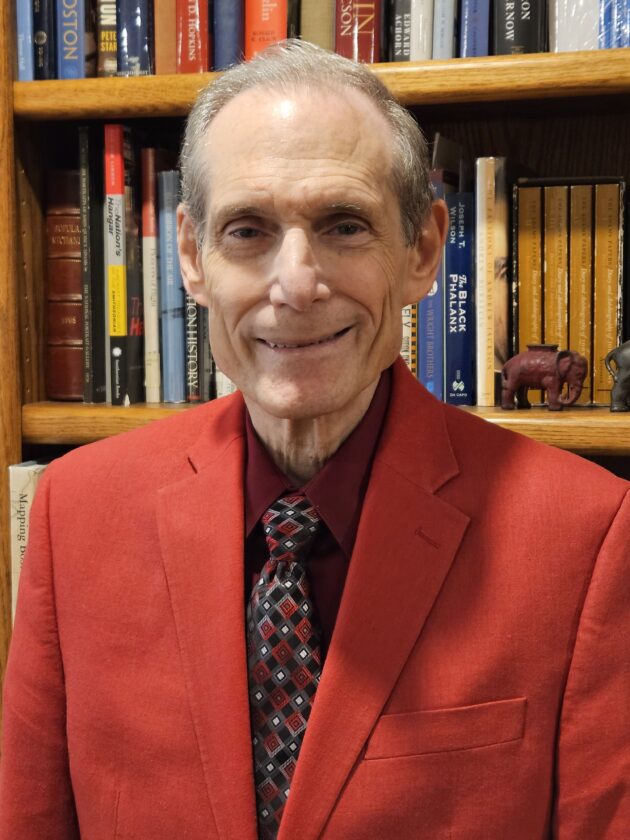
Author Wayne Miller will be at the Aviation Museum of New Hampshire on Sept. 27 to present his new book, Bird Men Over Boston Harbor. Courtesy photo/Aviation Museum of New Hampshire
LONDONDERRY — Airplanes in flight are a common sight today. But more than a century ago, imagine the excitement of seeing a man-made flying machine for the first time.
For many in New England, that thrill occurred in September 1910, when huge crowds swarmed the area south of Boston for the Harvard-Boston Aero Meet, the first international air show of its kind ever held in the U.S.
The two-week event, which attracted noted early aviators including Wilbur Wright and Glenn Curtis, was part of a worldwide wave of aviation enthusiasm following the first successful flight of the Wright Brothers in 1903.
At the Harvard-Boston Aero Meet, an estimated one million spectators saw daring early pilots compete for cash prizes at Aviation Field in Quincy, Mass. or viewing points along the beaches in Dorchester and South Boston.
Wayne Miller, author of Bird Men Over Boston Harbor, will tell the story of this extraordinary early aviation event and sign copies of his book on Sept. 24 at 7 p.m. at the Aviation Museum of New Hampshire, 27 Navigator Rd.
The presentation, part of the museum’s ‘Exploring Aviation’ series, is open to the public. Admission is $10 per person; members admitted free. Copies of Birdmen Over Boston Harbor will be available for sale at the event for $20.
The Harvard-Boston Aero Meet came about through the efforts of the Aero Club of New England and the Harvard Aeronautical Society of Harvard University. Founded in 1902, the Aero Club of New England remains active to this day.
An eye-popping feature of the event was cash prizes that drew the world’s top airmen of the day.
A $10,000 cash prize was offered by the Boston Globe for the fastest flight by “any kind of flying machine from Soldiers Field to Boston Light” and back, without stopping, for a total distance of about 25 miles.
In an age of globe-spanning commercial flight, this hardly seems daring. But at the time, it was considered a risky long-distance water crossing. In today’s dollars, the Globe prize represented an equivalent of over $300,000, making it a tempting challenge for any aviator.
Dignitaries present for the show included U.S. President William Howard Taft, an early aviation supporter. Taft would later welcome early Granite State aviator Harry Atwood when the pioneering pilot landed on the South Lawn of the White House following a record-setting flight from Boston to Washington, D.C. in 1911.
Miller has been a collector of pre-World War I aviation postcards for 15 years. Many are featured in his book, Birdmen Over Boston Harbor: The 1910 Harvard-Boston Aero Meet.
The book, Miller’s fourth, was published by the Quincy Historical Society. Miller also writes Quincy History, the society’s newsletter. Miller is a member of the Smithsonian National Air and Space Museum and several Massachusetts historical societies.
For more information, visit www.aviationmuseumofnh.org, call 603-669-4877, or email ldearborn@nhahs.org. Follow the Aviation Museum on social media at www.facebook.com/nhahs.