Tick season is here: what you need to know to prevent tick-borne illness
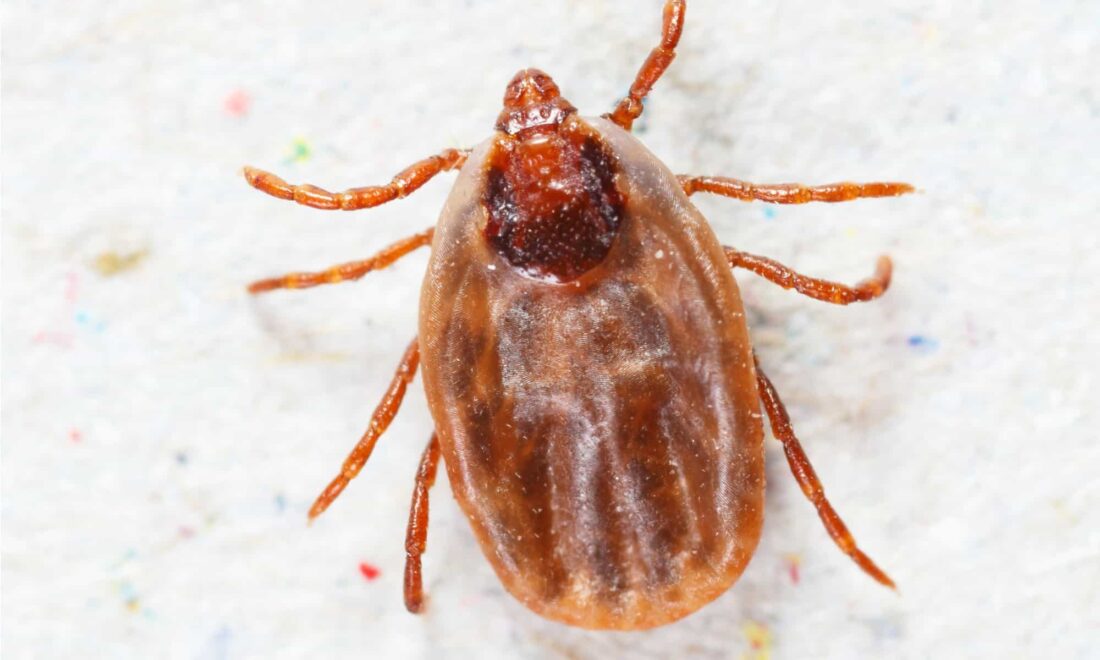
Tick activity has reached the highest levels in the U.S. in nearly a decade with northern New England experiencing the highest spike in cases.
As of April, for every 100,000 emergency department visits, 105 nationwide and 189 in the northeast, are due to tick bites, according to the CDC Tick Tracker.
ConvenientMD Primary Care providers have compiled tips to help people stay safe and healthy while enjoying the outdoors this summer. They recommend following the proper methods of prevention, learning how to identify potential symptoms of tick-borne illnesses and knowing what steps to take if you’ve been bitten by a tick.
“Ticks are extremely hardy, and you can be exposed to them almost anywhere,” said Family Nurse Practitioner Anne Perkins-Gaspar. “However, there are certain outdoor activities where ticks are especially prevalent, and you should exercise extra caution to prevent exposure. These activities can include hiking, camping, gardening, interacting with pets or animals outdoors or walking near grassy, brushy or wooded areas.”
Perkins-Gasper recommended taking the following precautions to prevent tick exposure:
-Put your clothes in the dryer on high heat for at least 10 minutes directly after an outdoor activity to kill any ticks that may be on your clothes.
-Check your pets for ticks after they have been outside, paying close attention to inside the ears and between the toes.
-Wear light-colored long pants and long sleeves to prevent ticks from latching onto your skin. Light-colored fabric makes it easier for you to spot if a tick has attached itself to your clothing. Also, tucking your pants into your socks offers an extra layer of protection from ticks crawling into your pantlegs.
-Use insect repellent containing at least 20 percent DEET or Picaridin when participating in outdoor activities where ticks are common. You may also treat clothing and outdoor gear with products containing permethrin to repel ticks.
“It is important to educate yourself on the early signs of tick-borne illness because symptoms can be similar to cold- or flu-like illnesses,” said Perkins-Gaspar. “If you are experiencing any of these symptoms, check yourself for ticks or signs of tick bites, especially if you have been enjoying the outdoors recently.”
Symptoms of a tick bite may include a bullseye rash or any rash greater than four centimeters in diameter, fever, chills, headache, muscle aches, joint pain, fatigue and swollen glands.
When examining yourself for potential tick bites, Perkins-Gaspar said you should pay close attention to your underarms, around and inside your ears, the backs of your knees, your scalp, belly button and between your legs. If you do find a tick that has latched on, you must remove it correctly as soon as possible to decrease the possibility of contracting a tick-borne illness.
To safely remove a tick:
-Use fine-tipped tweezers to grasp the tick close to the skin.
-Pull upward with steady, even pressure–do not twist or jerk.
-Clean the bite area and your hands with soap and water or rubbing alcohol.
-Dispose of the tick by submerging it in alcohol, sealing it in a bag, wrapping it tightly in tape, or flushing it down the toilet. Never crush a tick with your fingers.
“Ensuring you receive early evaluation by a medical provider is essential to preventing further complications and health issues, you should never wait for symptoms to worsen before seeking care,” said Perkins-Gaspar.
ConvenientMD suggests contacting your medical provider if you notice that a tick has bitten you and you think it could have been attached for more than 24 to 36 hours, if you are experiencing the early symptoms of tick-borne illness following outdoor activities or if you develop a rash after a tick bite. Even if you are unsure whether your symptoms could be related to a recent tick bite, it is still important to reach out to your medical provider to rule out the possibility of tick-borne illness.
Tick-borne illnesses often require follow-up care with a primary care provider as well as ongoing monitoring of symptoms. Having an established relationship with a primary care provider can help ensure timely medical guidance, appropriate testing, and continuity of care when health concerns arise.