
The Renter’s Gap: What To Do With Your Stuff When Your Lease Ends Before Your Next One Starts
Tens of thousands of apartment tenants run into the same frustrating problem every year: their timelines don’t line up.
Your lease ends on June 30, but your next place isn’t ready until July 15. That leaves you stuck in between, with nowhere to put everything you own.
Suddenly, packing isn’t just about organization; it’s about solving a logistical puzzle under pressure. When you’re figuring out what to do with stuff between apartments, you need a plan that keeps your belongings safe without making the situation more stressful than it already is.
Confront the Shock of the Short Lease Gap
Most renters don’t expect how strict move-out dates can be. Property managers rarely offer extensions, especially during busy periods when cleaners and new tenants are scheduled back-to-back. You’re often out the door on the exact date in your contract, with no flexibility.
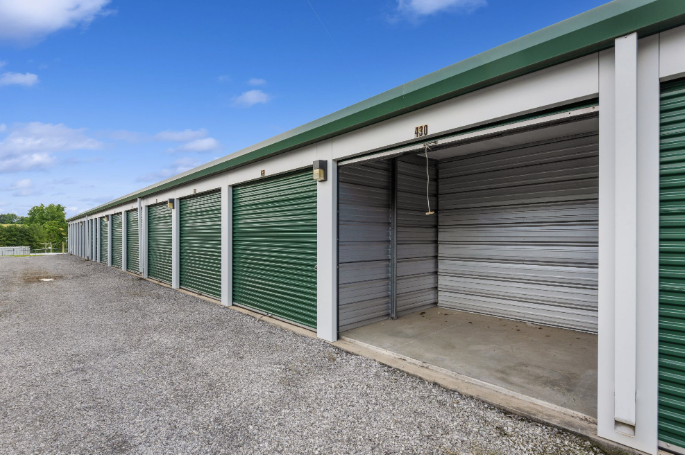
That’s where short-term self-storage becomes less of an option and more of a necessity. In that first rush, securing storage between leases gives you a reliable place to put your furniture and boxes while you figure out your next steps. It creates breathing room in a situation that can otherwise feel rushed and chaotic.
Having that buffer changes everything. Instead of trying to squeeze a sofa into your car or scatter your belongings across friends’ garages, you keep everything in one place. It also protects your items from weather, repeated handling and the general wear that comes with temporary solutions.
Manage Delays Caused by Administrative Standstills
Even if you’ve planned everything carefully, delays happen. A previous tenant might overstay, maintenance could take longer than expected or paperwork might stall at the last minute. These issues tend to surface right when you’re about to move, not weeks in advance.
When that happens, a renter storage unit quickly becomes essential. It acts as a holding space while things catch up on the administrative side. Without it, you’re left scrambling to find last-minute alternatives, which rarely go smoothly.
Flexible arrangements matter here. Choosing temporary storage no long term contract means you’re not locked into a timeline you can’t control. You store your belongings for exactly as long as you need, whether that’s a few days or a few weeks. That flexibility gives you some control back when everything else feels uncertain.
Simplify Your Transition When Downsizing Space
Not every move is a straight swap. If you’re going from a larger place to something smaller, the gap between leases can actually work in your favor if you use it well.
Trying to fit everything into a smaller apartment in one go usually leads to clutter and rushed decisions. Using storage during move transitions lets you slow things down. You can move in gradually and make clearer choices about what actually fits your new space.
Start by placing bulkier items and non-essentials into storage. Once you’re in your new place, focus on the basics first. Then, over time, you can decide what comes back out and what no longer makes sense to keep.
Measure carefully before bringing in large furniture and give yourself time to reassess. That extra space to think often leads to better decisions, rather than reacting under pressure on moving day.
Arrange Dual-Stage Professional Transportation Services
A lease gap changes how moving logistics work. Instead of one straightforward trip, you’re effectively moving twice: once into storage and then again into your new place.
Most moving companies assume a single-day move, so you’ll need to plan ahead. Booking early is key, especially during peak periods when demand is high. Waiting too long can limit your options or drive up costs.
Ask for clear, written estimates that cover both stages. That includes loading, transport to storage, unloading and then repeating the process when you move into your new apartment. Knowing exactly what’s included helps you avoid surprises later.
Locking in both dates early also ensures availability. The last thing you want is to be ready to move out but unable to secure a truck on the day your lease ends.
Establish Personal Continuity Plans for the Interim
While your furniture sits safely in storage, your day-to-day life still needs to function. Treat this in-between period like a temporary reset rather than a disruption.
Pack a separate suitcase with everything you’ll need for daily living. That way, you’re not digging through sealed boxes just to find basic items.
Keep essentials within reach, including important documents, identification and anything tied to your lease or employment. Make sure medications, toiletries and everyday electronics are easy to access so your routine doesn’t fall apart.
For accommodation, short-term options like extended-stay hotels or sublets can provide stability during the gap. Booking ahead gives you a fixed place to land while everything else is in transition.
Once your new apartment is ready, the final step becomes straightforward. You retrieve your belongings from storage, move them in and settle properly. What started as a stressful gap becomes a managed, step-by-step process that keeps both your belongings and your routine intact.