
As Gambling Apps Grow, Attention Turns to App Store Guidelines
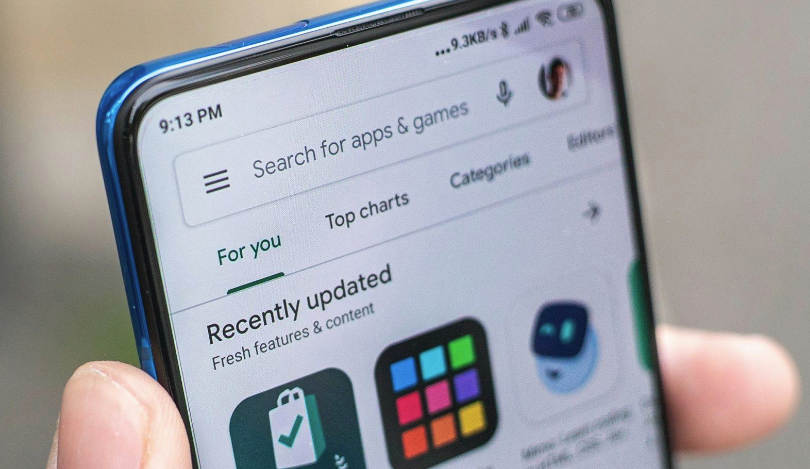
Mobile gambling has moved from a browser tab to an icon on a home screen. That shift has pulled Apple and Google’s rulebooks into the spotlight because the app stores decide what gets distributed, how it is described, and which payment flows are allowed.
As sports betting expands in regulated markets and casino-style games keep climbing charts, the industry’s growth collides with platform responsibilities around age access, geography, and marketing claims.
The pressure is now visible in policy updates, enforcement actions, and lawsuits that argue the platforms are not just hosts. The debate is about where compliance ends, where facilitation begins, and who carries the risk when gambling-like apps scale through mainstream channels.
Gambling apps are growing inside ecosystems built for frictionless spending
App stores were designed to reduce friction: one tap to install, one tap to pay, constant nudges to return. In gambling, those familiar mechanics can amplify stakes, even when an app insists it is “just entertainment.”
That is why app store guidelines function like an extra layer of regulation. They sit above national laws and can still decide visibility, ranking, and whether a product can be monetised through default billing.
Apple’s rules focus on licensing, geo-restriction, and limits on in-app purchases
Apple’s App Store Review Guidelines carve out gambling under its section on gaming, gambling, and lotteries. The rules include bans on using in-app purchases to buy credit or currency for use with real money gaming, and require that real money gaming apps have necessary licensing and permissions, be geo-restricted to permitted locations, and be free on the App Store.
The policy also sets conditions for sweepstakes and contests, including that official rules appear in the app and that Apple is not a sponsor. That distinction leaves a wide middle ground for “social casino” products that simulate slot machines or roulette using virtual coins.
In practice, the line is enforced through review decisions and removals, often on a region-by-region basis. For operators that rely on mobile acquisition, those calls can change a rollout timeline overnight.
Google Play allows licensed gambling in select regions, but walls off its billing tools
Google’s Play Console policy allows real money gambling apps in select countries if developers complete an application process, hold valid licences for each jurisdiction where the app is distributed, block under-age users, and restrict access outside the licensed footprint.
Google also states that gambling apps must not be sold as paid apps and must not use Google Play In-App Billing. Deposits and payments are typically routed through other systems, separating gambling from the standard app economy, where platform billing is often the default.
The same policy rejects many “other real-money” contest or tournament models that invite users to stake money for prizes. The effect is to narrow the number of products that can claim a cash-like outcome while avoiding gambling categorisation.
Legal challenges are probing platform liability for casino-style “social” apps
In late September 2025, Reuters reported that a federal judge in San Jose, California, refused to dismiss lawsuits accusing Apple, Google, and Meta of promoting illegal gambling by hosting and taking commissions from casino-style apps that allegedly addicted users.
The proposed class actions argue the companies profited by processing payments and taking a cut, while plaintiffs described harms linked to compulsive play. Apple, Google, and Meta argued that Section 230 of the Communications Decency Act should shield them from liability tied to third-party content.
U.S. District Judge Edward Davila rejected the core immunity argument as it applied to payment processing, writing, “The crux of plaintiffs’ theory is that defendants improperly processed payments for social casino apps.” He allowed an immediate appeal because of the importance of the Section 230 questions.
A report on the ruling by BonusFinder underlined how the legal focus has shifted toward the commercial plumbing of apps, billing, commissions, and promotion, rather than just the content displayed on a screen.
Advertising policies, especially on social platforms, shape who can reach users
Distribution does not guarantee discovery. Gambling apps tend to depend on performance marketing, and ad policies can become a second gate. Platforms increasingly ask for proof of licensing, along with strict age and geography targeting.
A Facebook operator guide published by the Gambling Commission describes a system where operators must apply for written permission before advertising real money gaming, submit licences, and follow targeting rules that limit ads to adults and approved territories.
Enforcement can still be uneven. A licensed sportsbook may clear approval quickly in one market, while a casino-style game is repeatedly challenged elsewhere, even when both use similar creative and similar data-driven targeting.
What changes when guidelines, payments, and courts pull in the same direction
For developers and operators, mobile growth increasingly depends on compliance engineering: geo-fencing, age checks, responsible gambling disclosures, and payment choices that align with platform policy as well as local law.
For the platforms, the scrutiny is moving from written rules to the outcomes those rules produce. Commissions, ad tools, and payment processing are being framed in litigation as business activity rather than passive publishing.
The result is a tighter conversation about definitions. What counts as gambling, what counts as marketing, and what counts as facilitation are no longer abstract questions; they are becoming case law, review notes, and policy updates.
Moving forward
Gambling apps are likely to keep expanding as long as smartphones remain the primary consumer device and regulated markets keep opening. The point of conflict sits where platforms sit: distribution, payments, and ads in a single chain.
With appeals pending and guidelines under constant revision, the next phase is set to be decided as much by platform policy and courts as by product innovation.